

“Tell me what you eat and I will tell you what you are” Jean Anthelme Brillat-Savarin
Alzheimer’s is a degenerative condition that’s on the rise, and is affecting more than 50 million people worldwide. Signs of the disease could start in middle age with memory loss and cognitive impairment, leading to significant behavioral changes.
There is no known cure for Alzheimer’s and effects can be devastating for those afflicted.
Researchers have shown the disease progresses when amyloid plaques form in the brain. These plaques are a build of protein that clump together in a tangled mess (orange mass below) around nerve cells (in blue) causing the nerves to shrink and die. Just like weeds in a flower garden, they eventually take over and brain connections are lost.

Only a small proportion of people are susceptible to familial genetics, whereas known modifiable factors including poor sleep habits, smoking, hypertension and diabetes could contribute to up to 45% of Alzheimer’s cases.
While the cause is not known, a poor diet is considered a major factor leading to inflammation in the body. We want to highlight the best foods to incorporate into your diet that will bring you closer to preventing this horrible disease.
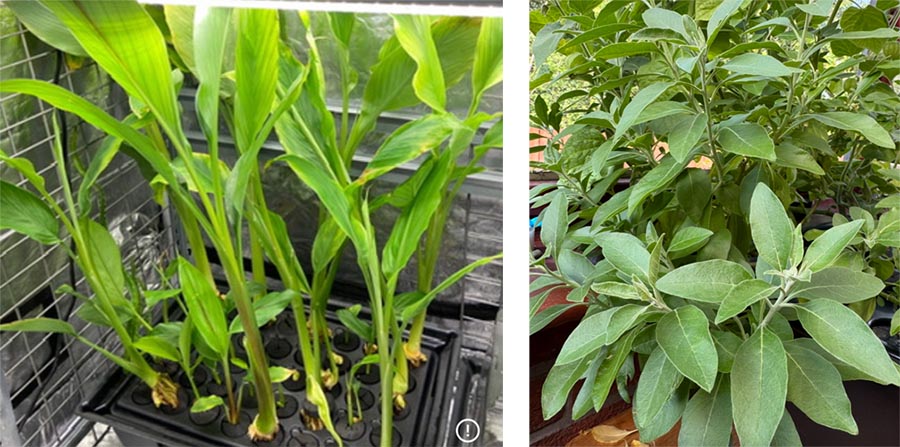
Plants alone can’t cure Alzheimer’s alone, but certain plants are believed to have potential benefits for cognitive health including ginkgo bilbao, asian ginseng, sage, rosemary, leafy greens, blueberries, strawberries, turmeric (below) and ashwaghanda (below). All of these crops can be grown in hydroponics using CEA where appropriate.
The Gut-Brain in Alzheimer’s Disease: What We Know So Far
Evidence shows there is a link between the microbiota-gut-brain axis (MGBA) and Alzheimer’s disease, but the exact mechanism behind this relationship is not yet understood.
Recent analysis revealed a genetic connection between different types of gut bacteria. Changes in our diet can significantly affect our gut microbiome, leading to shifts in the body’s normal function. Studies of gut microbes in individuals diagnosed with the condition show they release chemicals that induce damaging inflammatory signals in the brain.
How can we use a targeted diet?
A diet for Alzheimer’s disease typically focuses on promoting brain health and reducing inflammation.
Growing anti-inflammatory plants in a pesticide free environment may have additional benefits as some evidence points towards a contributing factor of organophosphate and bisphenols in progressive dementia and cognitive decline.
Antioxidants
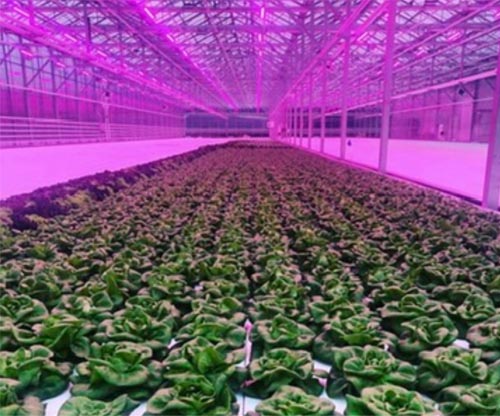
Foods rich in antioxidants, such as berries (blueberries, strawberries), dark leafy greens, and colorful vegetables like bell peppers and tomatoes, can help combat oxidative stress and inflammation in the brain.
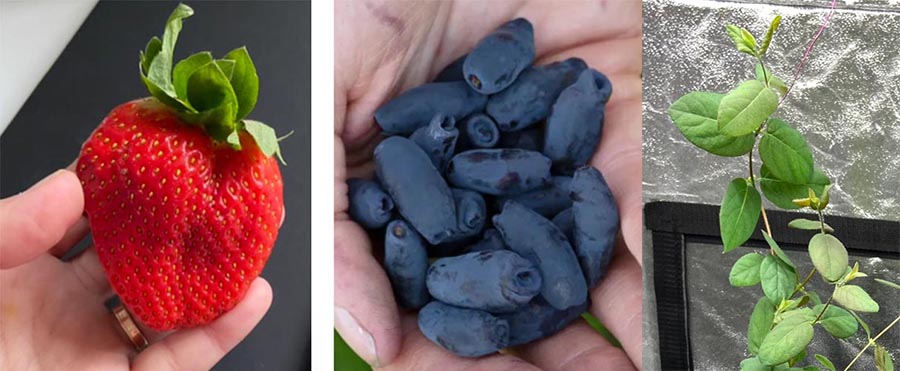
Strawberries are a mainstream CEA crop.
Dark berries in particular contain a high amount of anthocyanidins capable of crossing the blood brain barrier and protecting damage to nervous tissue.
Honeyberries grow well in hydroponics and contain high antioxidants levels. They also have an advantage as a cold climate crop, requiring little to no maintenance. We noted they thrive indoors with supplemental light.
Healthy Fats
Incorporating sources of healthy fats like olive oil, avocados, and nuts can support brain function and reduce the risk of cognitive decline.

Whole Grains
Opting for whole grains like oats, quinoa, and brown rice over refined grains provides a steady source of energy for the brain and helps regulate blood sugar levels.
Lean Proteins
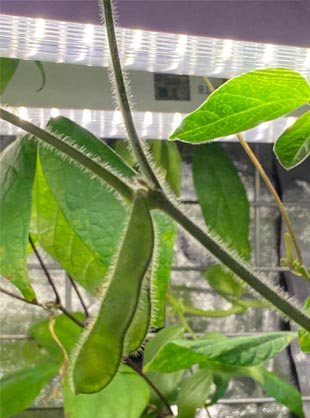
Including lean sources of protein such as beans and lentils, can help maintain muscle mass and support overall brain health. Growing beans and lentils in CEA is a unique challenge in terms of economics but the higher quality of pesticide free produce should be acknowledged.
Omega-3 Fatty Acids
Found in walnuts and flaxseeds, omega-3 fatty acids are known for their brain-boosting properties.
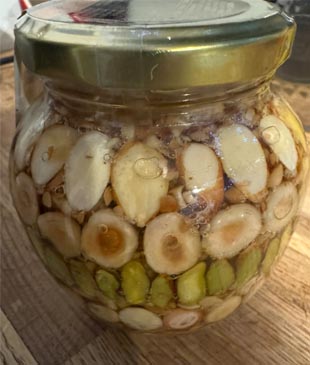
While avocado, olives, nuts, beans and cereals are not suitable CEA crops, you should attempt to buy the best quality organic products.
Access to foods like these are more important than ever to prevent progressive diseases like Alzheimer’s. Check out our functional food blog for more help on how to grow some of these plants in CEA.
All images are courtesy of The Functional Plant Company unless otherwise stated.