

By Janet Colston, PhD
Bell pepper, Leafy greens & Tomato
These are the most common salad items added to our weekly shopping basket and they supplement our food plates adding nutrients to our diets. We want to delve deeper into their additional phytonutrients over the next three weeks starting with Bell Peppers.
Bell Peppers (Capsicum annum)
Bell Peppers belong to the nightshade family (Solanaceae) and although technically a fruit they are considered vegetables as they are more likely to be added to savoury dishes. The capsicum family includes both sweet peppers and chilli peppers that are rated for heat and spice on the Scoville scale of heat units. Competition is fierce amongst growers to have the hottest variety on a SHU scale 0-3million [1]. The heat profile was thought to have evolved to deter animal predators but more recent evidence suggests it may also add protection against fungal infections [2].
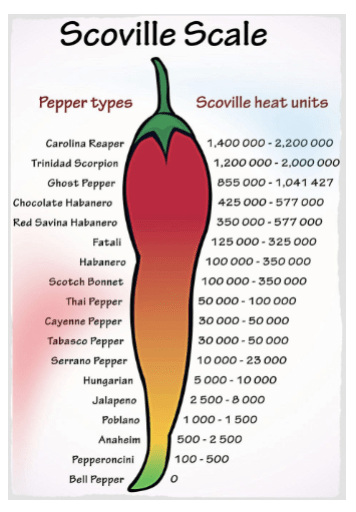
Think Carolina Reaper on one side of the scale with a registered SHU of 2.2million to bell peppers that have zero! Capsaicinoids are responsible for the nip which is felt when it binds to pain receptors in the mouth [3]. Ranging in size and shape, peppers have high nutritional value and properties that can control blood sugar and cholesterol levels as well as improve gut health [4].
Black pepper (piper nigrum) is not to be confused with bell peppers, they are a different species that grow on a vine, flowering and fruiting year round. In Ayurvedic medicine black pepper was used as an expectorant to treat colds and flu viruses [5].
Anti-cancer, Anti-inflammatory, Anti-hypertensive, Anti-obesity
Bell peppers are rich in antioxidants and have a particularly high content of Vitamin C. The vibrant pepper colours reveal a myriad of alpha and beta carotenes, lycopene, lutein, cryptoxanthin and zeaxanthin which increase as they ripen [6]. For this reason they are considered good for eye health, potentially slowing age-related macular degeneration as the carotenoids absorb harmful blue light from entering and damaging the eye [6]. These carotenoids inactivate free radicals preventing some cancers [7] and lowering inflammation in arteries, preventing type II diabetes and heart disease [8].
Peppers contain high levels of Vitamin B6 which helps balance serotonin and norepinephrine in the brain, subsequently releasing melatonin to regulate circadian rhythms and improve sleep patterns [9]. Great for those on shift work patterns. Eating peppers raw helps retain functional properties but if you grow them and want to store for later use, freezing also retains high carotenoid levels [10].
Some research also suggests phytonutrients are altered depending on how the peppers are grown. Unexpected results following organic production show higher levels of the flavonoids quercetin and kaempferol [11]. Several studies have now shown a link between people with obesity and type II diabetes having a poor prognosis and outcome if they contract COVID- 19 [12]. Peppers are an easy source of nutrients that can help this vulnerable group boost their immune system.
Growing Peppers
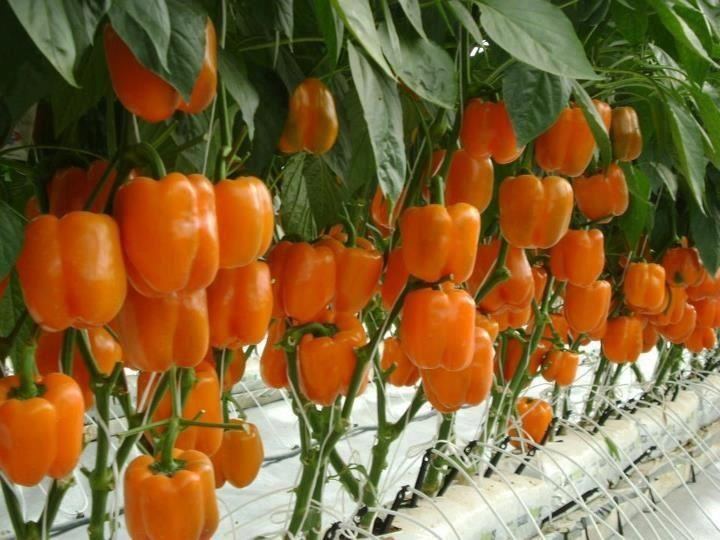
Bell peppers grow exceptionally well in hydroponics and thrive in warm temperatures around 65-75 Fahrenheit during the day with a 10 degree drop at night. They need a lot of room to grow and require at least 14-18hrs of light a day to produce a harvest in 3months depending on the cultivar. Peppers are usually started from seed or cloned in hydroponics using highly oxygenated water which helps to maintain desired traits of the mother stock plants.
Remember!
The CDC recommends the following measures in regard to COVID-19.
How to protect yourself • What to do if you are sick
Disclaimer: We are not doctors and do not prescribe this blog as a medicinal alternative to bona fide medical advice should you contract seasonal flu or Coronavirus.
Janet Colston PhD is a pharmacologist with an interest in growing ‘functional’ foods that have additional phytonutrients and display medicinal qualities that are beneficial to human health. She grows these using a range of techniques including plant tissue micropropagation and controlled environmental agriculture to ensure the highest quality control.