

By Janet Colston
Prostate cancer is the most common cancer in men in the UK, and is only surpassed by lung cancer globally. The USA has the highest rate of incidence of all countries for prostate cancer.
Although younger men are being diagnosed, prostate cancer is generally an age related cancer. Regardless, if you know someone with this cancer, you will be aware of the seriousness of the disease if treatment is delayed. Why? Well most men ignore the early warning signs: –
- Frequent and/or interrupted urination, particularly at night.
- Traces of blood in urine or semen.
- Unexplained pain in the genital or hip area.
These are key indicators of prostate issues and late diagnosis often leads to poorer outcomes.
A few people are unfortunate and carry familial traits. Six time Olympian, Sir Chris Hoy, the most successful Scottish cyclist, recently revealed his terminal diagnosis at the age of 48 which shocked and saddened people in Scotland. Chris had shoulder pain as a first sign of the disease. The lack of awareness of the symptoms is one issue, but for most men the signs begin with a frequent and sudden urge to urinate.
There are other explanations for the symptoms so it’s worth going to your GP to rule out cancer.
Symptoms should not immediately strike alarm as benign prostatic hypertrophy or BPH is also in the frame for night-time visits to the restroom. This is because the prostate is in close proximity to the bladder and as it enlarges it impacts the sphincter that controls the bladder. In BPH the prostate can grow much larger, sometimes from walnut size (normal) to the size of a grapefruit (abnormal). Sorry to be graphic but it was one of my earlier jobs! I collected ‘chips’ as they are called from men undergoing TURPS (transurethral resection of prostate) to study the pharmacology of vascular smooth muscle in the prostate.
Before getting to this stage though, men can help themselves by checking the above symptoms, and visiting a GP to discuss any concerns. Treatments are available to reduce the size of the prostate prior to surgery.
Prevention is always better than cure so considering a healthy diet is a great way to protect against this cancer. But, which foods are the best to reduce the incidence of prostate cancer?
Let’s take a look at what helps, and what can be grown at scale in controlled environment agriculture (CEA):-
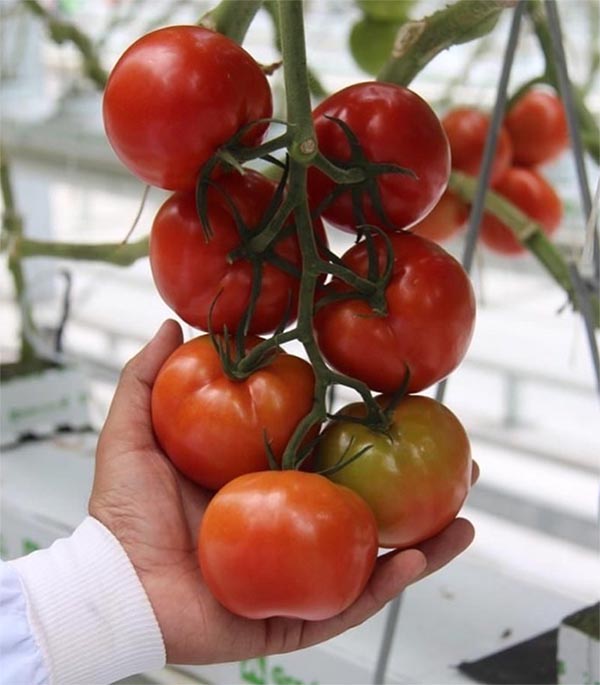
Tomatoes are a source of Lycopene that acts as an antioxidant and anti-inflammatory. The Mediterranean diet is well known to reduce inflammation and Italian men have lower incidence of prostate cancer compared to the rest of Europe and the US. A major CEA crop in greenhouses, tomatoes on the vine are particularly good for health.

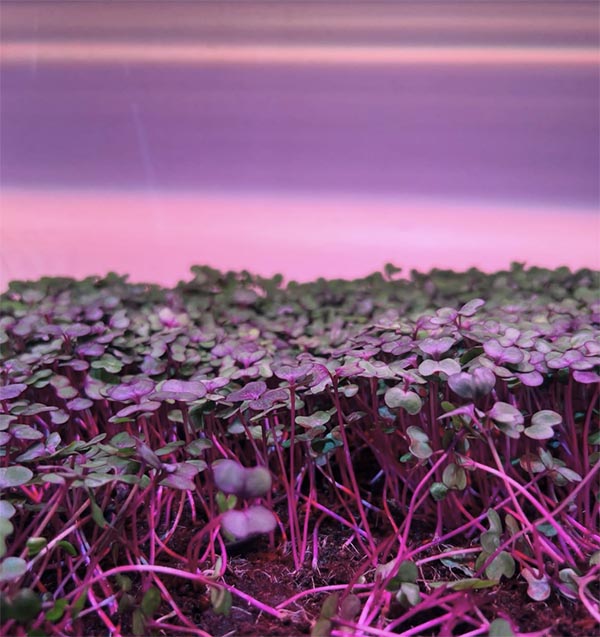
Kale, and other cruciferous vegetables including broccoli sprouts and microgreens contain sulforaphane and indole-3-carbinol both of which are known to slow progression of prostate cancer. Broccoli microgreens in particular may reduce the chance of developing prostate cancer according to new research.
Microgreens are a superpower in the fight against cancer cells. We can manipulate supplemental LED lights, particularly blue light to help increase and generate higher anthocyanin levels in microgreens. Higher anthocyanins mean more fighting power to prevent prostate cancer cells multiplying.
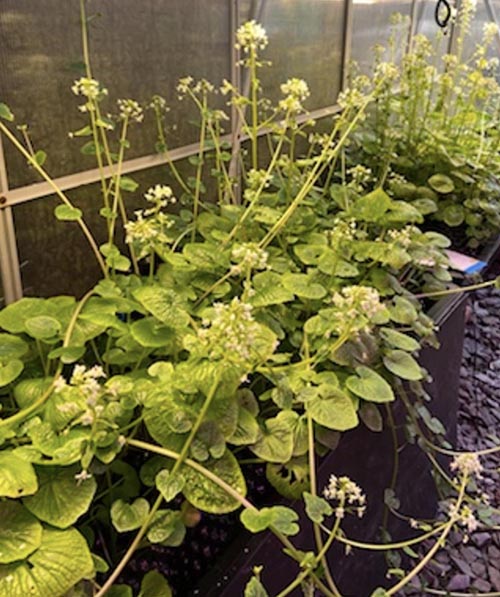
Overwhelming evidence demonstrates a metabolite called 6-MITC produced during grating of Wasabi Japonica rhizomes is highly efficient in killing cancer cells. There has been a surge in interest in recent years to grow this Japanese crop using hydroponic techniques that mimic river terraces in Japan.
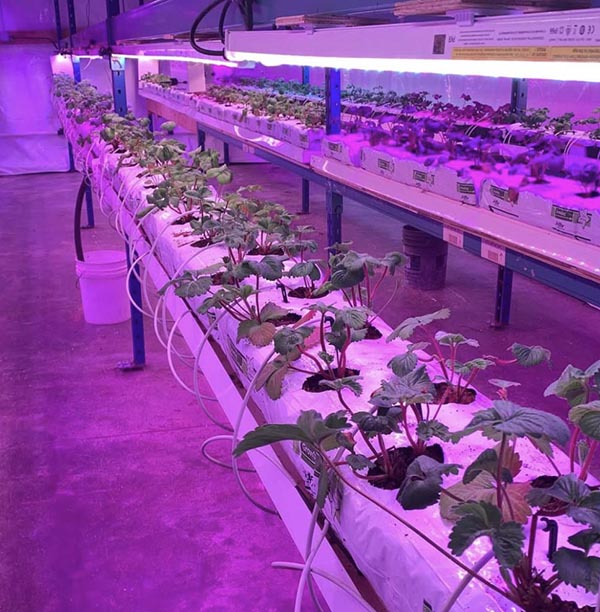
Strawberries and other berries are full of antioxidants that mop up free radicals that damage DNA. They are a common indoor crop and supplemental light plays an important role in enhancing anticancer metabolites.
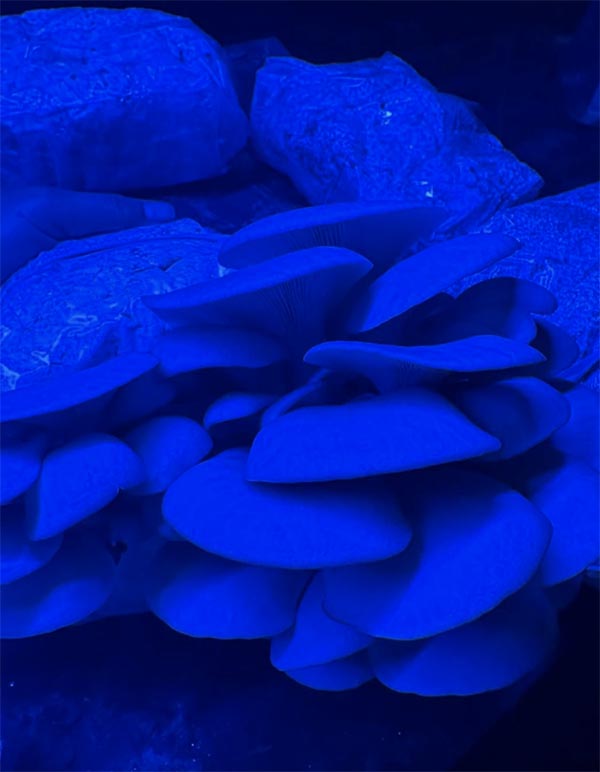
A number of mushrooms are known to inhibit cell proliferation in human prostate cancer cell lines including Agaricus blazes, agaricus bisporus, Trametes versicolor, Cordyceps militaris and Coprinus comatus. White button (Agaricus bisporus) mushroom powder, has been shown to clinically reduce prostate specific antigen (PSA) in a third of men that undertook a trial suggesting a role in modulating recurrent prostate cancer. Take a look at our previous article for more on growing these mushrooms in CEA.
Aside from the foods that are grown at varying scales in CEA, other inclusions specifically for a prostate cancer prevention diet include green tea, garlic, nuts, pulses and pomegranate juice. All have been implicated in prevention of prostate cancer.
If you have any of the symptoms listed or others like unexplained fatigue, contact your GP who can arrange a simple blood test for prostate specific antigen (PSA), an excellent indicator of prostate status. Check your risk level here.